
The Great Debate: Kipping vs. Strict
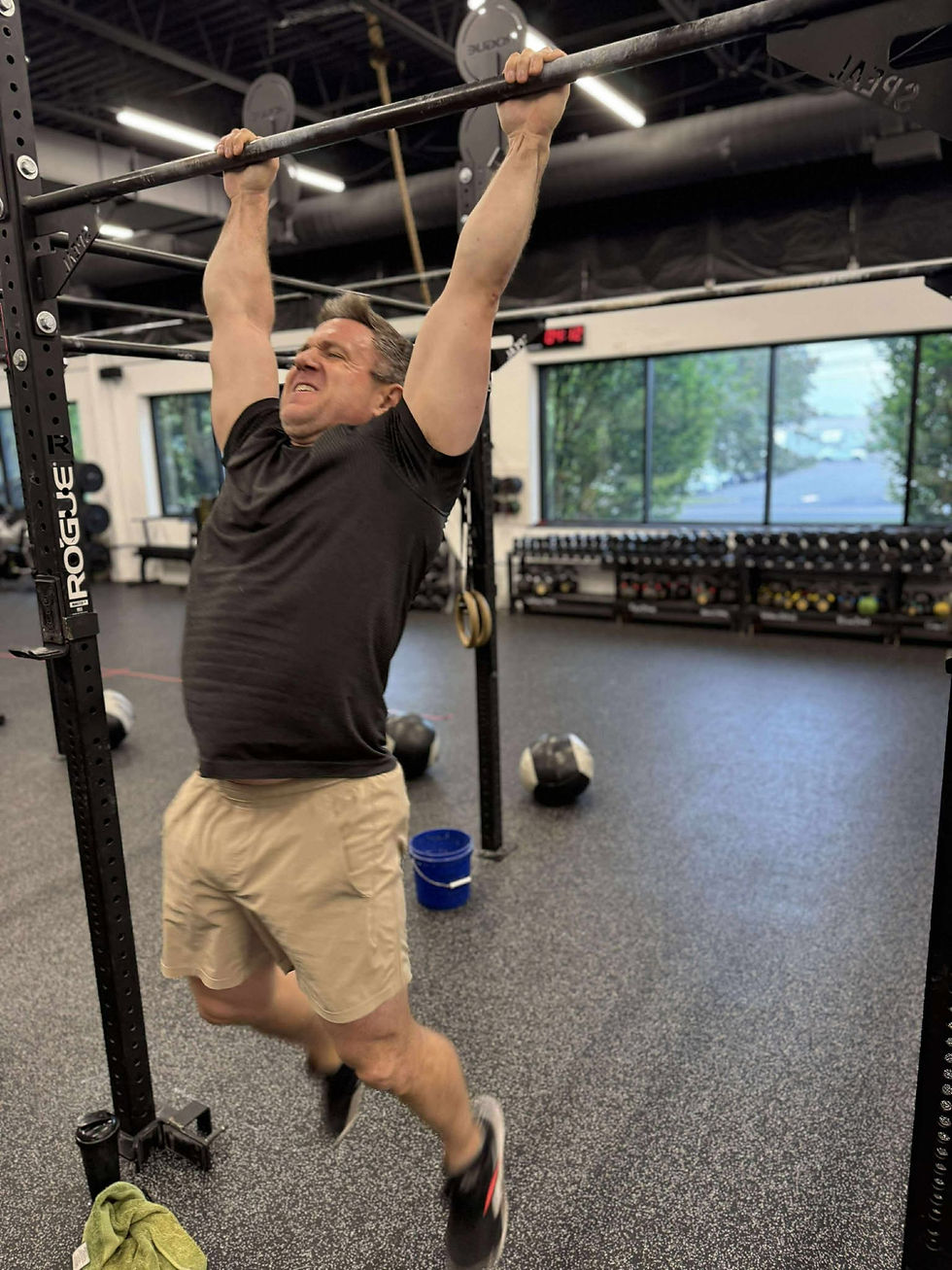
Hey everyone! Few things divide the fitness world—and sometimes even the CrossFit box—like the Kip. You’ve heard the debate: Is kipping cheating? Is it dangerous? Should you only ever go strict?
The answer is simple: The choice between kipping and strict movement is not about morality; it’s about strategy, science, and the deliberate goal of the workout. The kip is a tool for fitness, but only if you’ve earned the foundation first.
Here is the definitive guide to understanding when to choose raw strength and when to choose maximum efficiency in a workout.
Strict Movement: The Non-Negotiable Foundation
If you can't perform a movement strictly, you have not yet built the requisite raw strength and joint stability to do it safely under fatigue. We view the strict movement as the ultimate test of foundational control.
The Baseline for Strength: A strict pull-up, a strict handstand push-up, or a strict ring dip is a pure measurement of your absolute strength. There is no momentum to hide behind. Training strict movements signals deep adaptation to the small, stabilizing muscles in your joints (shoulders, elbows, spine) that keep you healthy for life.
Joint Integrity: The controlled tempo and full range of motion demanded by strict work are essential for building true joint integrity. If your joints cannot handle the necessary load and control during a slow, strict movement, they absolutely cannot handle the dynamic forces of a fast, cyclical kip.
The Rule at CrossFit 201: You must build the strict capacity first. If you cannot perform 3–5 high-quality strict repetitions of a movement, you should not be kipping it in a high-volume workout. You are robbing your body of necessary strength development and increasing your risk of injury.
Kipping Movement: The Engine of Endurance
Once you have established the strict strength foundation, the kip transforms from a controversial movement into a powerful endurance tool.
Maximizing Efficiency (The GPP Goal): CrossFit programming is designed for General Physical Preparedness (GPP). This means training the cardiovascular system and pushing your metabolic engine. The kip allows you to save the local muscular energy needed in your arms, back, and shoulders, so you can instead apply that energy to maintaining a fast pace and keeping your heart rate high.
Increasing Power Output: In a 15-minute WOD, the kip enables you to perform more reps at a higher overall rate of power than you could strictly. This is intentional: the goal of that workout is speed and stamina, not singular strength. You are not "cheating"—you are using your hips and core to create cyclic momentum, which is itself a highly technical, athletic skill.
Mixed-Modal Strategy: The ability to kip allows you to transition faster between movements (e.g., from a barbell to the pull-up bar) without completely failing due to localized muscular fatigue. This improves your overall athletic capacity.
Making the Intentional Choice
The most experienced athletes in our gym know exactly when to choose strength and when to choose speed. The choice is always dictated by the athlete's capabilities and the intended stimulus:
WOD Stimulus | If the Goal is PURE STRENGTH... | If the Goal is ENDURANCE/SPEED... |
The Choice | STRICT Movement | KIPPING Movement |
Why? | To ensure maximum muscle recruitment and build raw, foundational strength. | To conserve localized energy and challenge your heart/lungs for a longer duration. |
The ultimate rule is non-negotiable: You must earn the kip by mastering the strict movement first. Once you have that foundation, the kip becomes an essential, intentional component of your training strategy, allowing you to unlock your full speed and endurance potential.


